
Why Belly Fat Becomes Harder to Lose After 35 (And What to Do About It)
BLOGS
Why Belly Fat Becomes Harder to Lose After 35 (And What to Do About It)
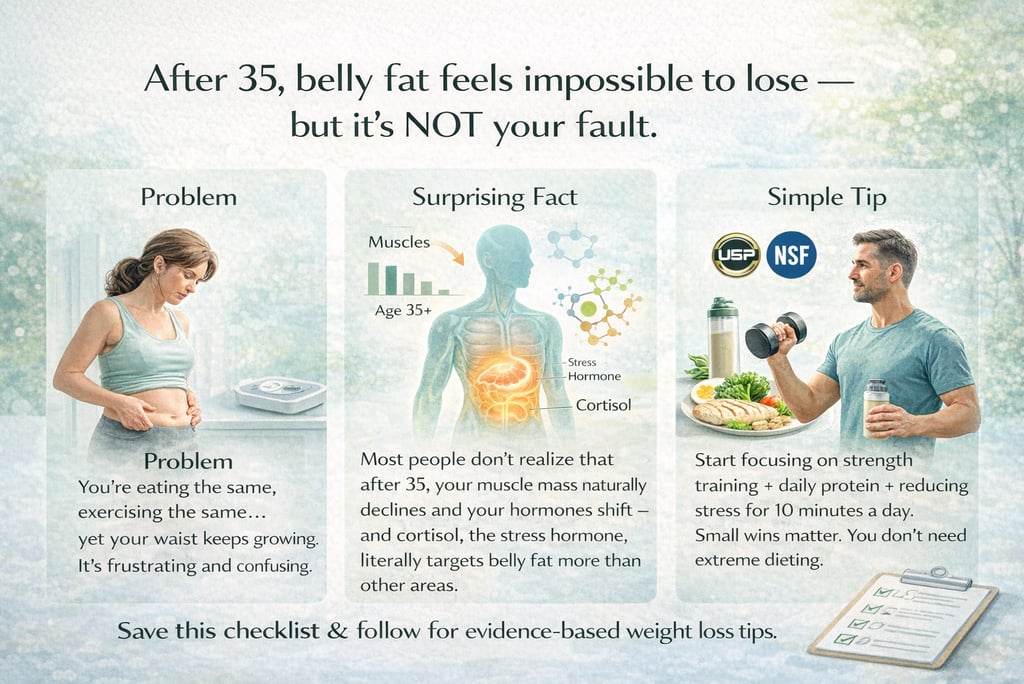
Ever feel like your go-to jeans fit snugger than before? Maybe you’re sticking to old routines - same meals, same exercise - that once worked fine back in your twenties, yet nothing shifts on the scale now. Here’s the thing: if you're past 35, this isn’t just in your head.
By the time folks in the U.S. hit their late thirties, things start shifting when it comes to staying slim. Outta nowhere, extra pounds around the gut - yeah, that tough kind people talk about - just won’t budge like before. This hits guys just as hard as gals, yet there's hope - you’re not locked into this forever.
This change isn’t only from munching extra snacks - it ties back to how your body works. Getting older shifts hormones, revs up metabolism differently, while stress starts playing a bigger role - each pushing weight gain right into the belly area. Here's the bright side: once you grasp what’s really going on, you’re already moving toward real solutions.
In this piece, we’re diving into what makes belly fat stick around more easily once you hit 35 - then showing practical ways, backed by research, to keep it under control. Instead of vague tips, think clear steps that actually fit real life.
What is Belly Fat?
Let’s start by getting clear on what we’re talking about - before jumping into reasons. All body fat isn’t the same thing. That layer you can grab on your arms or thighs? That’s subcutaneous fat. It lies right beneath the surface of your skin.
Still, the biggest worry when you hit 35 is visceral fat. That kind sits way down in your belly, hugging key organs - liver, pancreas, even guts.
Visceral fat isn't just sitting there doing nothing. See it as something alive inside you, not just extra weight from food. Instead of seeing it as backup fuel, picture it acting like a gland. It pumps out chemicals plus proteins that stir up trouble in how your body handles blood sugar and fats. That's why having a big stomach - no matter if people call it a beer gut or age-related bulge - isn't only about looks. It shows your inner balance is shifting.
Common Problems or Challenges
Here’s why this hits most people in their late thirties or forties. The reason? A mix of three big issues stacking up at once - timing, pressure, then shifting priorities; one after another they pile on
The so-called 'middle-age spread'? It’s real - your body just slows down outta nowhere. Try eating a salad? No change at all. Have a burger instead, suddenly weight piles on quick.
Hormonal changes hit differently - women might enter perimenopause by age 35, while guys gradually lose testosterone over time.
Lifestyle overload hits hard - this stage packs nonstop action. Juggling work goals while handling family duties piles on pressure; that tension loves to settle around your waistline.
Benefits of Managing Belly Fat
Though you can't rewind time, slimming your waist brings perks way past squeezing into those older jeans. Taming deep belly fat could boost your overall wellness down the road - think better energy, improved mood, fewer health scares later on
Better heart health happens when you ease stress on your body's blood-pumping network by shedding deep belly fat.
Lower belly fat usually leads to improved insulin response, so you’re less likely to feel drained later in the day.
Lighter load up front means less pressure on your back and knees. Also, moving gets easier when there’s less bulk weighing you down.
Staying fit as you age? Watch your waist size - it's closely tied to living longer. One smart move: keep that middle section in check, since it signals how well you're aging overall.
How It Works: The Science of Aging and Fat
What makes our body act up once we hit 35? Here’s a peek at the basic stuff happening under the surface.
1. The Muscle-Metabolism Connection
From about age 30, muscle starts to fade - this is known as sarcopenia. That tissue needs lots of energy; your body uses many calories just to maintain it. When muscle shrinks, so does your resting calorie burn. Eat the same portions but burn less? The leftover fuel turns into fat.
2. The Hormonal Switch
Hormones guide where your body keeps fat.
In women, when estrogen changes and goes down, fat no longer piles up in the hips or thighs - the safer spots - instead, it starts building around the stomach.
In men, testosterone supports muscle growth while helping the body shed fat. When it drops, muscles shrink because the belly starts holding onto extra weight more easily.
3. The Cortisol Trap
This one really matters when life feels hectic. Stress hits? Your adrenal glands release cortisol. Fat around your belly holds way more cortisol receptors - like four times as many compared to other areas. So what happens? That stress tells your body it’s prepping for a crisis, making it stash extra energy straight into your midsection.
Who Is Most Affected?
This problem shows up a lot - though some folks feel it more, like older adults or those on tight budgets
Women going through perimenopause: if you're 35 to 45 and see your waist growing even though you eat the same, it’s probably hormones at play.
Feeling drained but restless? Tossing at night, living on coffee? That’s often a sign your stress hormone’s revving up - fueling stubborn midsection weight.
Sitting all day? If your job keeps you glued to a chair while old exercise habits fade, muscle starts slipping away - this drag pulls your metabolism down hard.
How to Manage Belly Fat After 35
You don’t need some quick-fix diet. Actually, going too strict might do the opposite - slowing your metabolism even more. Try sticking to small, steady shifts instead.
Prioritize Strength Training
Cardio keeps your heart strong - yet muscle runs your metabolism. Try weight training or moves like push-ups and squats; these fix the muscle you lose as you get older. When you gain more muscle, your body burns energy quicker, yes - even resting at night.
Eat More Protein
Protein helps protect your muscles. What’s more, it can curb hunger throughout the day. Try adding a solid option - like chicken, fish, eggs, tofu, or beans - to each meal.
Manage Stress (Seriously)
You can't eat your way past a stressed-out system. When cortisol’s running high, your gut hangs on to fat - no matter what you do.
Give it a shot - spend five minutes daily just breathing slow or stepping outside with no phone in hand. Instead of scrolling, pause; let your mind reset through stillness or movement. While everyone rushes, you choose calm. Not every habit needs effort - one small break can shift your whole rhythm.
Sleep: Try to get around 7 to 8 hours a night. Bad rest hikes up hunger signals along with stress chemicals.
Watch the "Hidden" Calories
Drinking booze or sweet sodas piles up belly fat fast. When you sip alcohol, your body hits pause on burning fat. Ditching that evening drink - wine or pop - helps more than you’d guess.
Pros & Cons of Focusing on Lifestyle Changes
Going step by step to shed stomach weight isn't like those quick-fix plans you tried back in your twenties.
Pros:
Sustainable outcomes - these routines stick because they fit your life, so you keep going without effort.
Better health? You're less likely to get tough issues - say, type 2 diabetes. While cutting risks, you boost how you feel daily. Not a guarantee, but odds shift in your favor. Small choices now may protect you later.
Stable sugars plus solid rest? That’s fuel for your day. Got both? You’ll move sharper, feel livelier - no crash later.
Cons:
It drags on: Hormone-driven belly fat resists change harder. Maybe you drop half a pound weekly - nowhere near two.
You need discipline - staying on track with sleep and handling stress matters just as much as food choices.
No magic solution here - skip the effort, skip the results. Take pills without action? Waste of time.
Safety, Warnings & Disclaimers
Focusing on belly fat can help your health, yet you’ve got to approach it wisely.
Talk to your doctor first - especially if you've been inactive before jumping into a workout plan, just to be safe.
Avoid pills labeled as "fat burners" - many don't work and aren’t properly checked by authorities. Instead, focus on eating well or staying active from the start.
Pay attention to how you feel: sore joints or being overly tired mean you could be going too fast. Since healing slows down past age 35, let yourself take breaks now and then.
Conclusion
Losing belly fat after 35 isn't as easy as it used to be, yet still doable. You simply need a fresh approach. Rather than starving yourself, give your body what it needs. Grow muscle to boost metabolism - eat more protein so muscles stay strong - also manage stress to keep cortisol down.
Your body's shifting - totally natural as you age. When you tweak your daily routines to work with how your body actually functions, you might end up feeling more energized, fitter, even sharper during middle years than you thought possible.
Begin tiny - perhaps toss in 10 minutes of lifting now, or hit the sheets half an hour sooner tonight. You’ll end up grateful later.
Related Blogs
USA Wellness Pick © 2026


Evidence-Based Health & Wellness Guidance for Americans